Why Travel Alone?
Solo travel is one of the fastest-growing ways to see the world, and the reason is simple: it gives you total freedom. You choose the pace, the places, and the plans — no compromises, no waiting for anyone, no itinerary debates.
The benefits go deeper than freedom:
- Confidence: Navigating a new place alone teaches you to trust yourself. Every problem you solve — a missed train, a language barrier, a changed plan — becomes proof you can handle things.
- Presence: Without a companion to talk to, you notice more: the food, the streets, the people, the quiet moments.
- Budget control: You decide where to splurge and where to save. No splitting bills, no group compromises.
- Meeting people: Solo travellers are more approachable than groups. Strangers, locals, and other travellers talk to you more easily when you’re alone.
- Self-knowledge: Time alone in a new place has a way of clarifying what you actually enjoy, without anyone else’s preferences in the mix.
Is Solo Travel Safe?
Yes, with preparation. The risks that most commonly affect solo travellers — opportunistic theft and tourist-targeted scams — are specific and largely preventable. Solo travel is not about being fearless; it is about being prepared.
Before you go:
- Share your full itinerary with someone at home, and check in regularly
- Get travel insurance that covers medical care and trip disruption
- Make digital copies of your passport, bookings, and insurance, stored separately from the originals
- Research your destination’s safe neighbourhoods, common scams, and emergency numbers
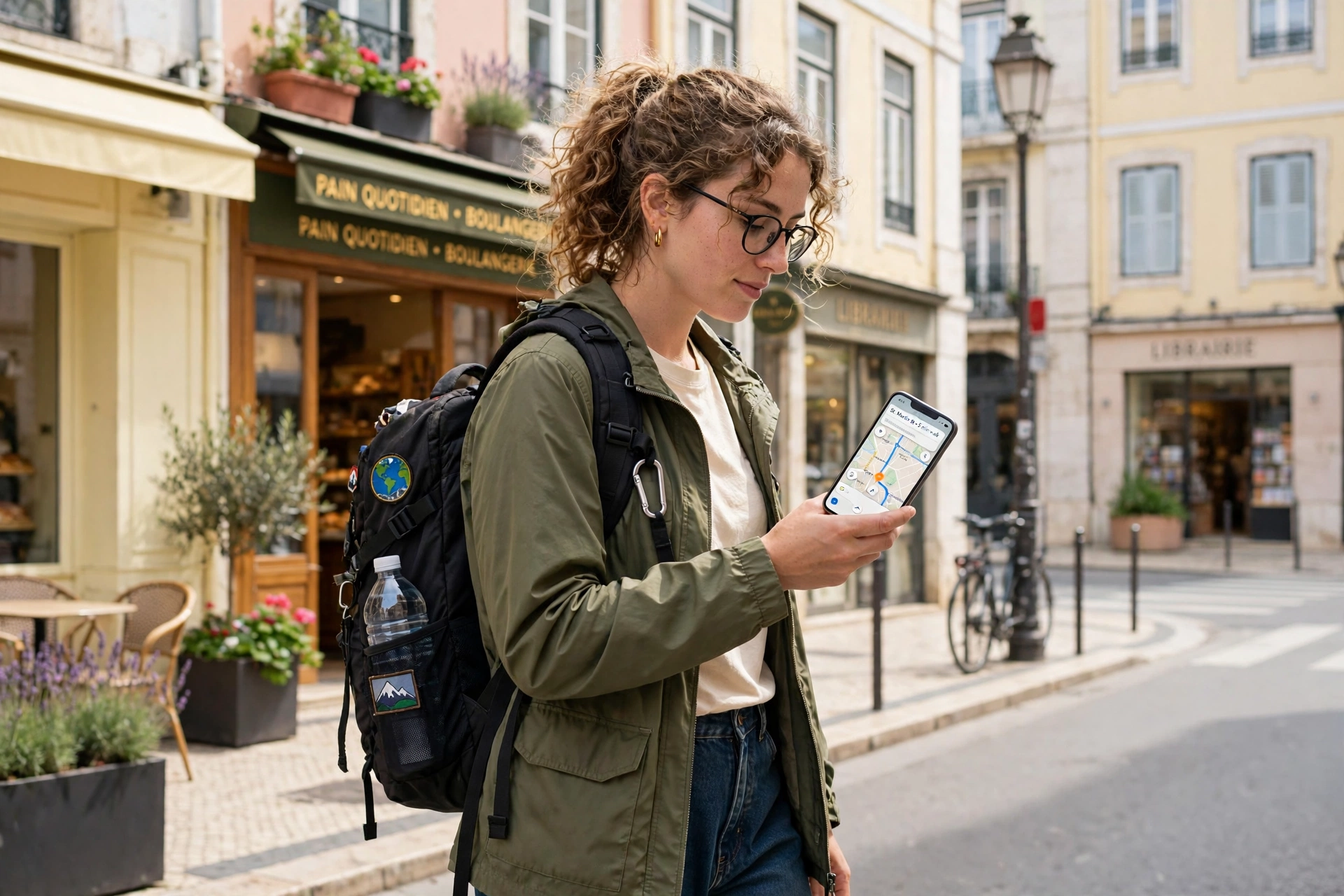
- Download offline maps for the places you’ll visit
While you’re there:
- Stay aware of your surroundings, especially at transport hubs and at night
- Keep valuables split across two places, not all in one bag
- Use reviewed, well-located accommodation
- Trust your instincts: if a situation feels wrong, leave it — no explanation needed
- Keep your phone charged and your accommodation address saved offline
Safety is a system, not a single trick. Put the system in place, then relax and enjoy the trip.
Choosing Your First Solo Destination
Your first solo trip should be easy, not epic. Look for:
- Reliable public transport and walkable centres
- Strong tourism infrastructure and good safety records
- A language you can manage, or widespread English
- Affordable costs, so money stress doesn’t add to new-traveller nerves
Popular first choices include Lisbon, Tokyo, Melbourne, Edinburgh, and Bangkok — but the right answer depends on your interests and budget. A short trip is a smart start: a long weekend in one city builds confidence faster than a month-long expedition that overwhelms you.
How to Plan Your First Solo Trip
- Start short. Two to four days in one city. You will learn how solo travel feels without a big commitment.
- Book the first night in advance. Arriving somewhere new is stressful enough; knowing exactly where you’re sleeping that first night removes the biggest worry.
- Plan a few anchors, not a full schedule. Pick two or three things you’re excited about, and leave the rest open. Solo travel rewards flexibility.
- Choose social accommodation. Even if you book a private room, a hostel or guesthouse with communal spaces makes meeting people easy.
- Build in a slow day. One day with no plans — a long walk, a café, a park — is often the day you remember most.
Solo Travel on a Budget
Travelling alone can cost more per person, since you’re not splitting accommodation or taxis. But you also have total control over spending. Strategies that work:
- Stay in hostels, guesthouses, or places with kitchen access and cook some meals
- Use public transport and walk — walking is also the best way to experience a place
- Eat where locals eat, and try street food and markets
- Set a loose daily spending limit and track it, without obsessing over every purchase
- Spend on experiences you genuinely want, not souvenirs you’ll forget
How to Meet People When Travelling Solo
Loneliness is the most common fear about solo travel — and the least accurate one. Solo travellers usually find it easier to meet people than groups do, because they’re approachable and motivated to talk.
- Join free walking tours in every city you visit
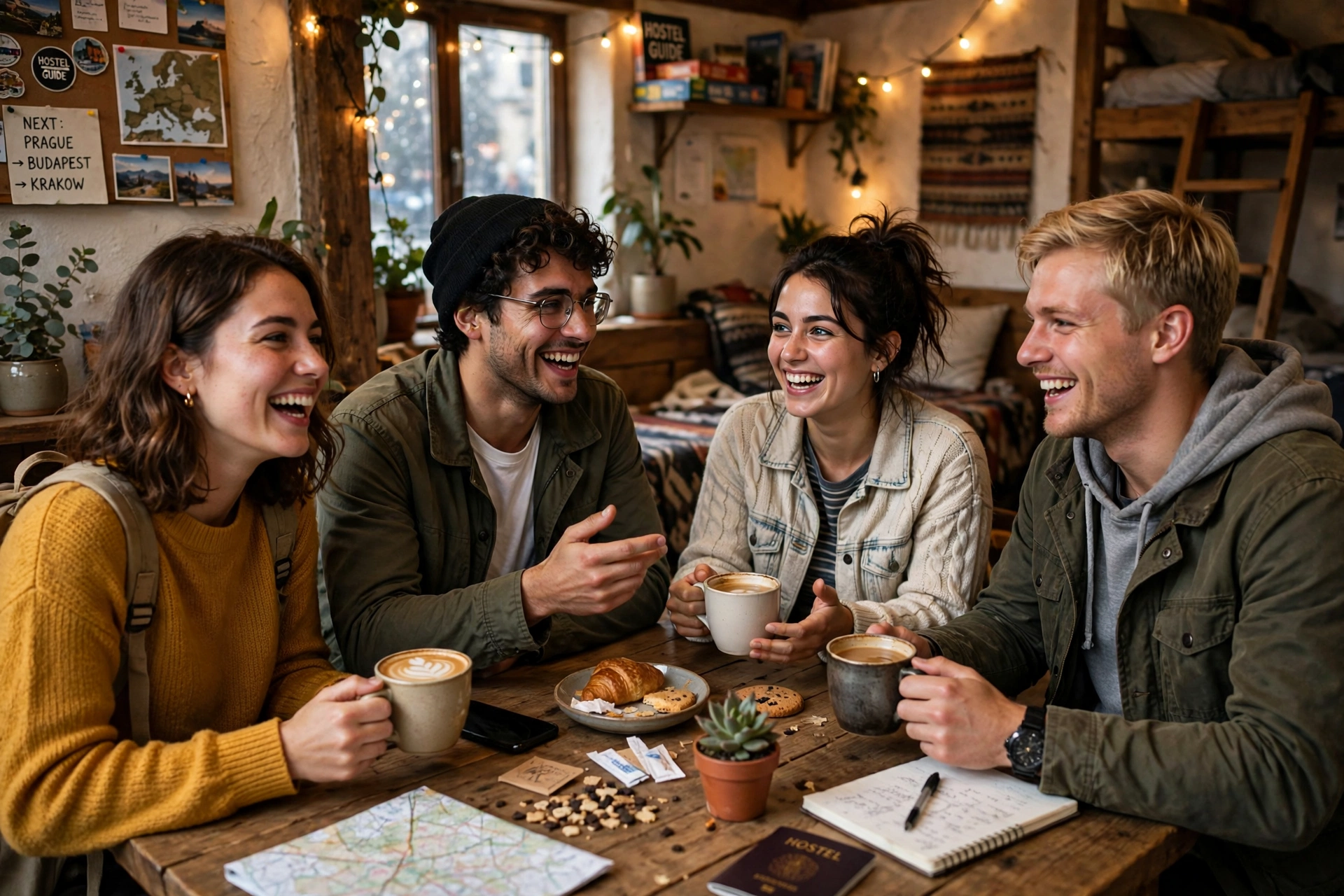
- Stay in accommodation with common rooms or shared meals
- Book small-group day trips, cooking classes, or activity tours
- Eat at counters and communal tables rather than isolated tables
- Take long train or bus journeys, where conversation happens naturally
- Use traveller meetup apps in larger cities
And if you want solitude, that’s fine too. One of solo travel’s underrated skills is learning to enjoy your own company — eating alone, wandering a museum at your own pace, sitting in a park with a book. It feels strange on day one and completely natural by day three.
The Honest Truth About Solo Travel
Not every moment is magical, and pretending otherwise helps nobody. You will sometimes feel lonely, usually in a wave that passes rather than a constant state. You will make a wrong turn, miss a bus, or eat a bad meal. The adjustment gap — the difference between how you imagined the trip and how it feels before you’ve settled in — is normal, and almost everyone who pushes past day two says it was worth it.
The reward is real: you come home knowing you can navigate the world on your own. That confidence doesn’t fade when the trip ends.
Packing for Solo Travel
Pack light — you’re carrying everything yourself, and a lighter bag means easier movement and less stress:
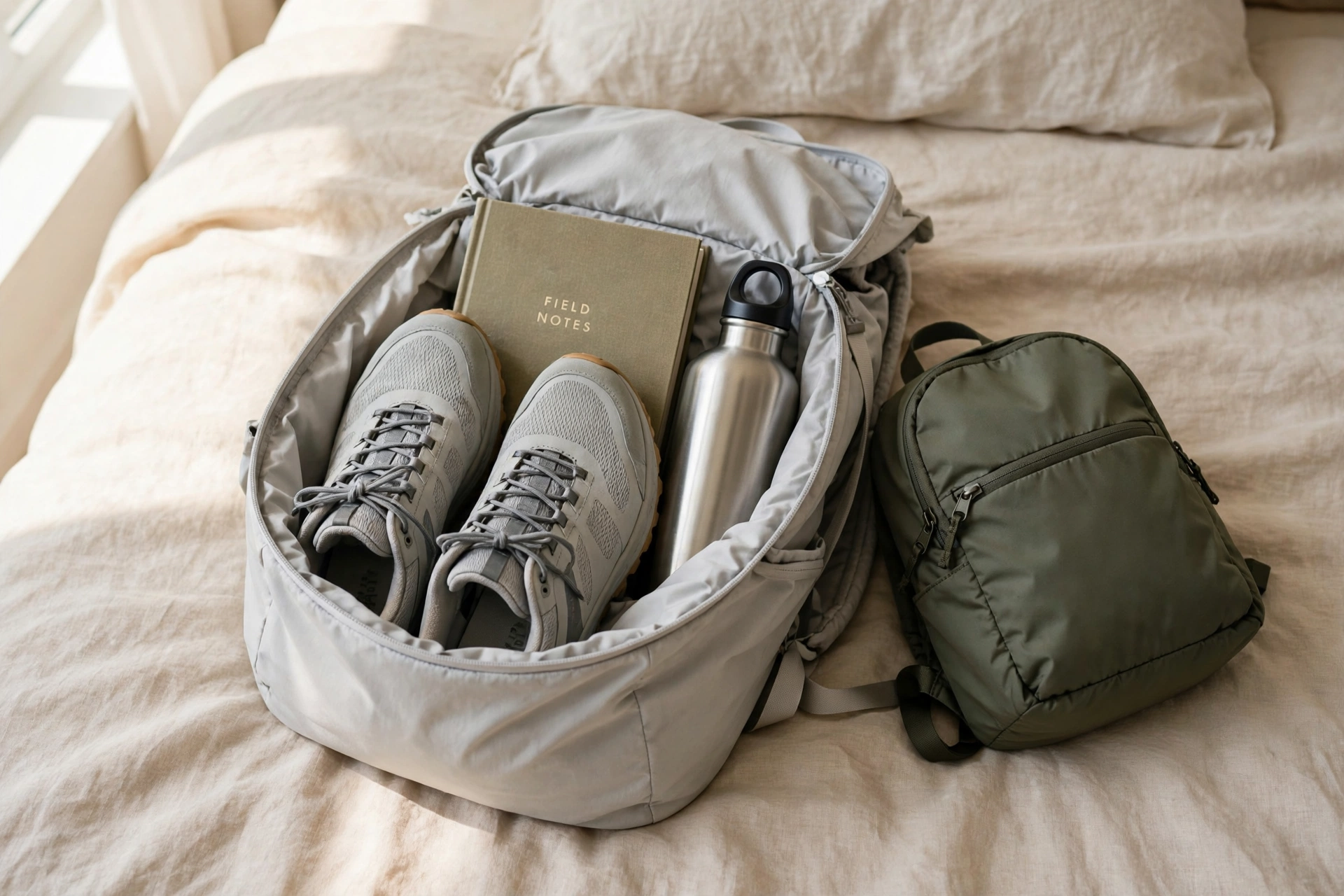
- One bag you can comfortably carry, not drag
- Comfortable walking shoes (your most important item)
- Layers for changing weather, in neutral colours that mix and match
- A small daypack for daily exploring
- A power bank, universal adapter, and offline maps
- Copies of documents, kept separately from originals
- A book or journal for quiet moments
Pack for one week regardless of trip length, and do laundry along the way.
Final Thoughts
Solo travel is not about proving anything. It is about giving yourself the freedom to travel on your own terms — your pace, your interests, your decisions. Start short, prepare well, and let the trip teach you the rest.
The first solo trip is the hardest to book and the easiest to remember. Book it.