What Is Slow Travel?
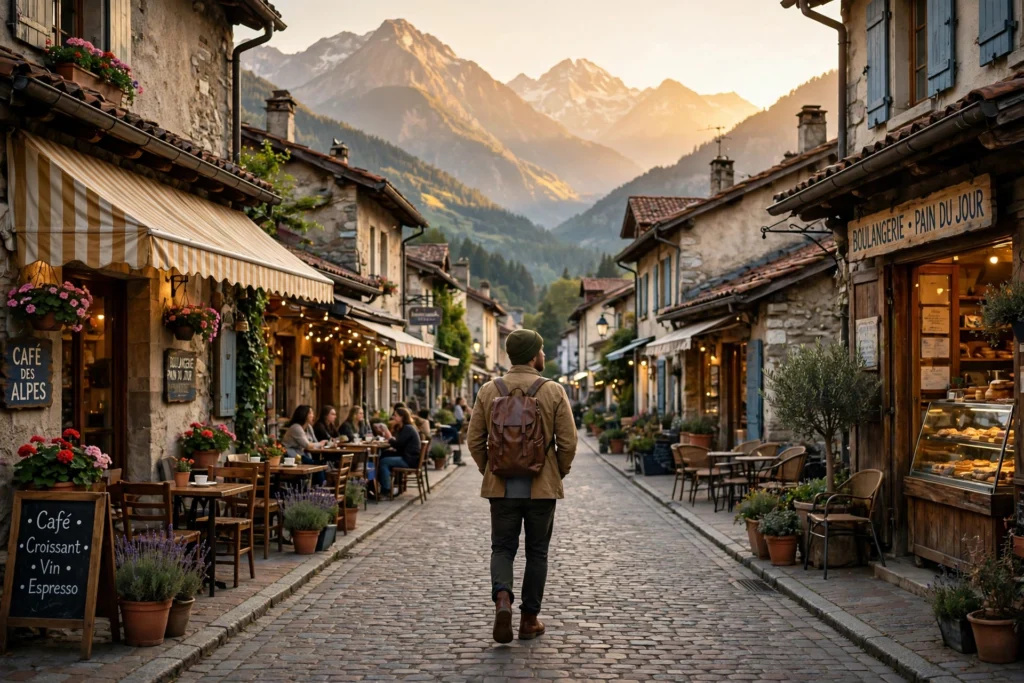
Slow travel is simple: fewer places, longer stays, and a calmer pace. Instead of rushing through five cities in seven days, you stay in one or two places and actually get to know them — the neighbourhood, the morning market, the café owner who remembers your order.
It is not about travelling less. It is about travelling differently. The goal shifts from collecting sights to collecting experiences: a meal cooked with locals, a train ride through changing landscapes, a morning routine in a place that briefly feels like home.
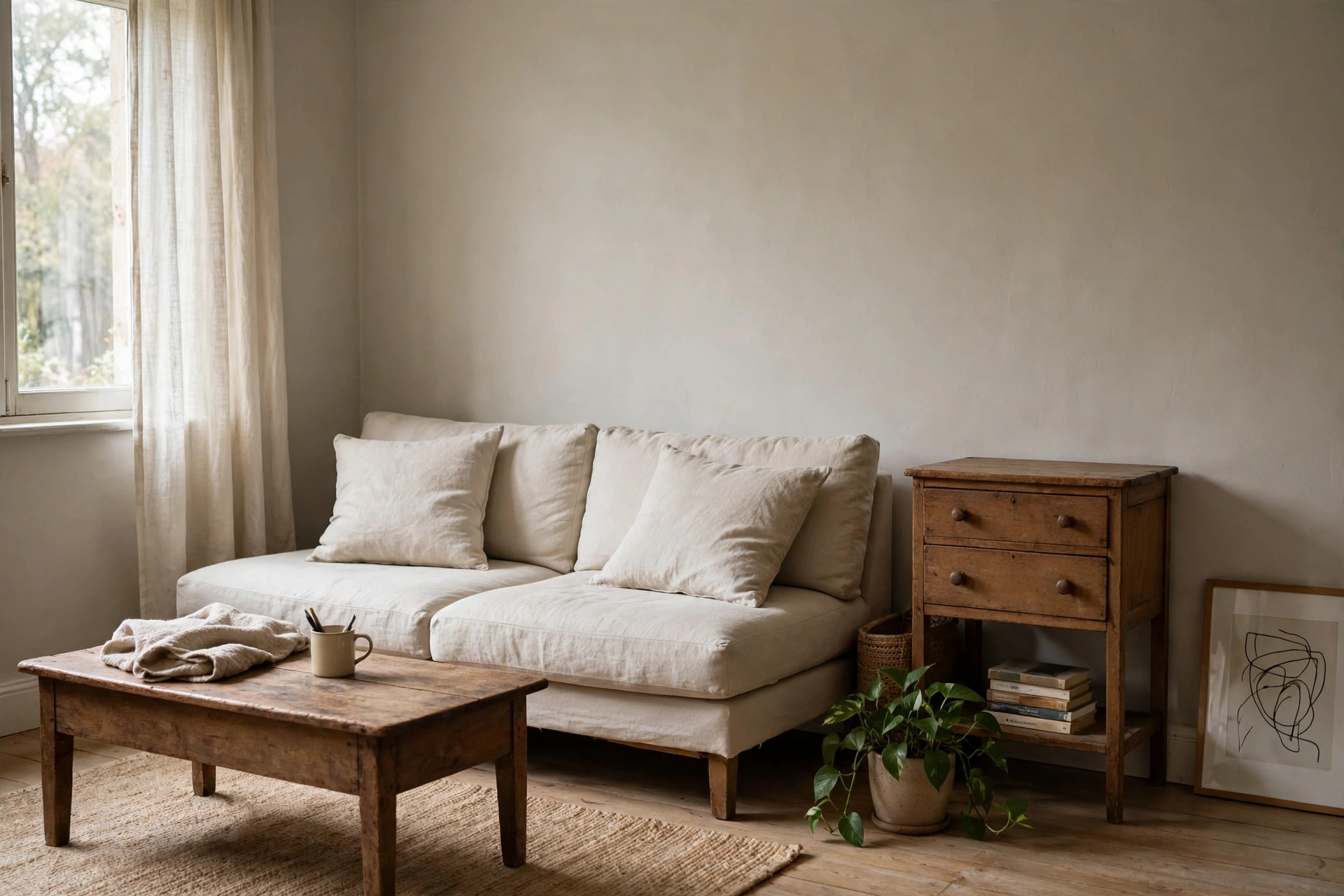
After a day of screens, slow travel offers a calmer way to spend the evening.
Slow travel has become one of the biggest travel trends of 2026, and for good reason. Travellers are tired of packed itineraries, airport chaos, and holidays that need a holiday afterwards.
Why Slow Travel Works Better
It costs less per day. The biggest savings come from what you stop doing: fewer flights, fewer intercity transfers, and accommodation discounts for longer stays. A weekly or monthly rental is usually far cheaper per night than a hotel. Cooking some meals and eating where locals eat cuts food costs further.
It is less stressful. Packing once instead of five times, no daily race to the next city, no constant navigation. Your nervous system gets the break a holiday is supposed to give.
It creates better memories. Research and experience agree on one thing: we remember routines and people more than checklists. The morning walk you repeated for a week sticks with you longer than the tenth museum in three days.
It is kinder to places. Fewer flights and more local spending mean your trip supports the community you visit instead of just passing through it.
Slow Travel vs. Fast Travel
| Aspect | Slow travel | Fast travel |
|---|---|---|
| Places | 1–2 per trip | 4–6 per trip |
| Stay length | Days to weeks per place | 1–2 nights per place |
| Transport | Trains, walking, cycling | Flights, constant transfers |
| Daily cost | Lower (long-stay rates, home cooking) | Higher (hotels, transport, eating out) |
| Memories | Routines, people, depth | Sights, photos, breadth |
| Energy after trip | Rested | Exhausted |
Neither is wrong — but if your last trip left you tired, slow travel is worth trying.
How to Plan Your First Slow Trip in 5 Steps
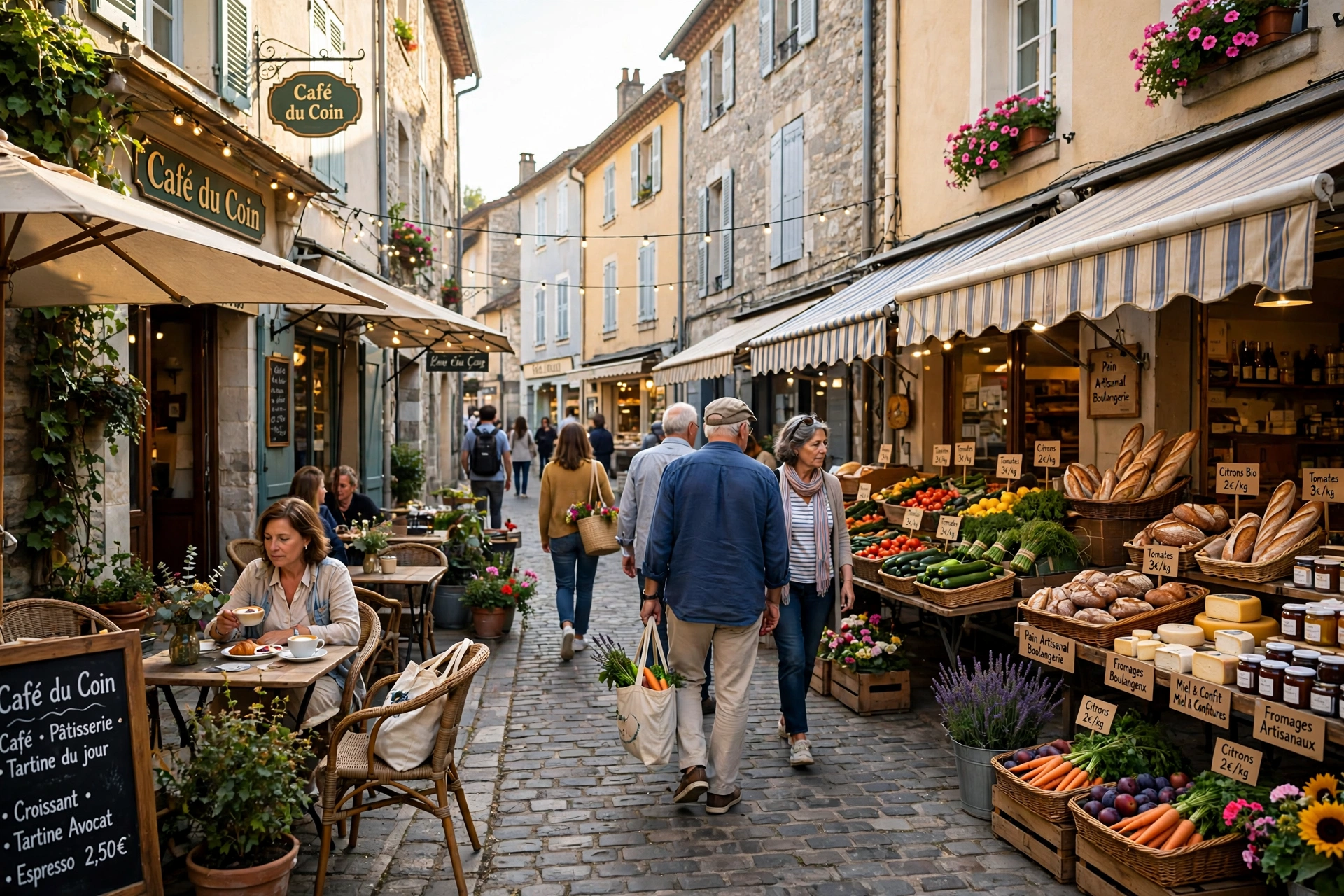
- Pick one base, not a route. Choose one town or city that genuinely interests you, with enough to explore for several days: markets, nature nearby, day-trip options. One base with day trips beats three bases with constant packing.
- Stay longer than feels normal. Aim for at least 4–5 nights in one place. The first two days are for settling in; the good stuff — favourite spots, local rhythms — starts on day three.
- Travel there by train where possible. Trains are the natural transport of slow travel: you see the landscape change, arrive in the town centre, and carry less. If flying is unavoidable, fly once and stay put.

- Build a light routine. Pick a morning walk, a regular breakfast spot, and one activity per day — not five. Leave afternoons open. The unplanned hours are where slow travel happens: a conversation, a market stall, a park bench with a view.
- Book less in advance. Reserve your stay and your transport there. Leave the rest flexible. The best slow-trip days are the ones you didn’t schedule.
What Slow Travel Costs
Costs vary by destination, but the pattern is consistent: slow travel trades transport spending for time. You spend less on flights, transfers, and hotels, and more of your budget goes to food, local experiences, and simply being there.
Ways to keep it affordable:
- Travel in shoulder season (spring and autumn) — lower prices, fewer crowds
- Choose longer stays for weekly or monthly accommodation discounts
- Cook some meals; eat local food instead of tourist restaurants
- Walk and use public transport instead of taxis and tours
- Pick one paid experience per stay and enjoy free ones the rest of the time
Packing for Slow Travel
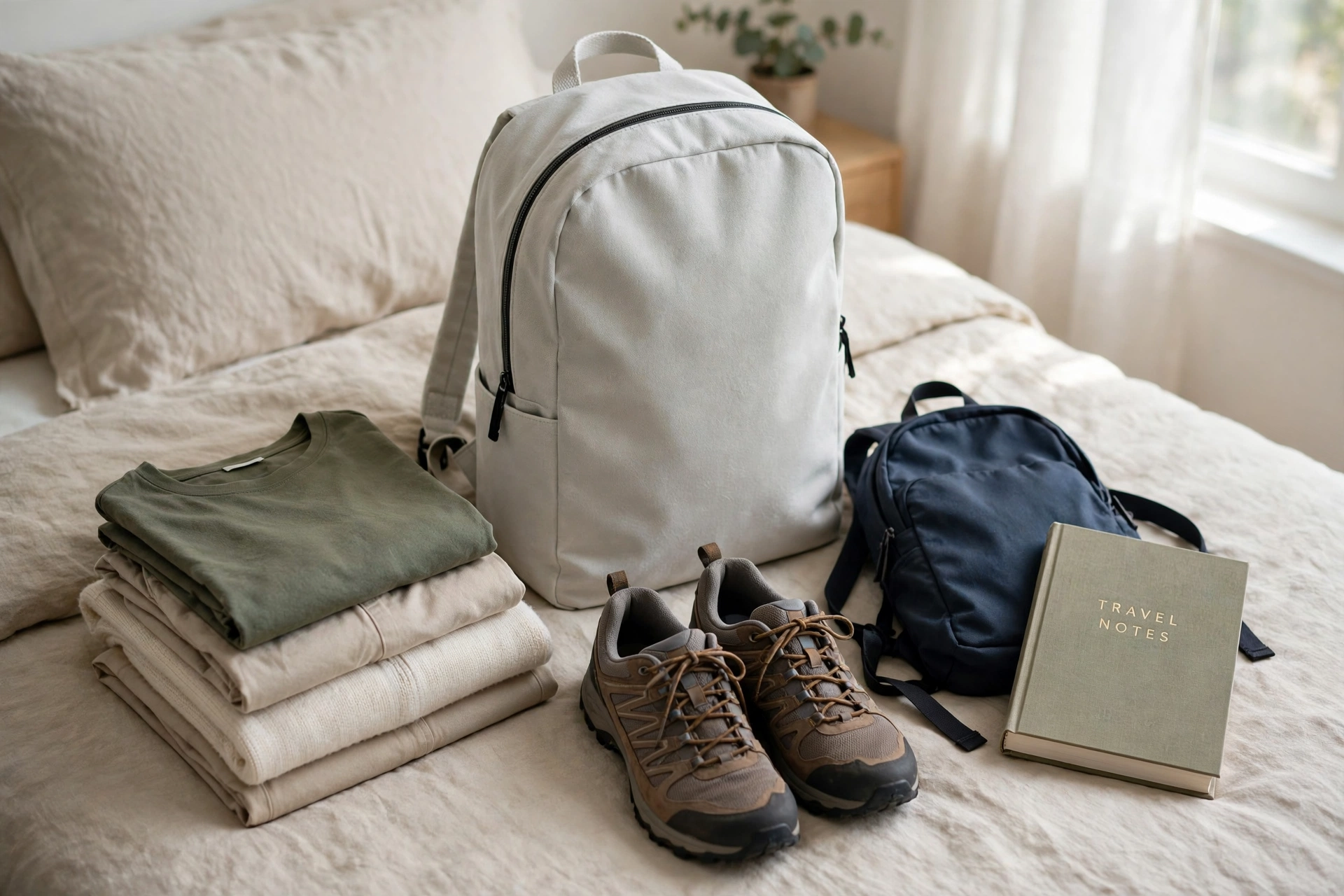
Pack lighter than you think — you will move less, but you will live more. The essentials:
- Comfortable walking shoes (you will walk far more than on a fast trip)
- Layers, not outfits — weather changes over a longer stay
- A daypack for daily exploring
- Something to do in quiet hours: a book, a journal, a sketchbook
- Copies of documents and travel insurance details, kept separately from originals
Pack for one week regardless of trip length, and do laundry along the way. A lighter bag makes every part of the trip easier.
Common Slow Travel Mistakes
- Trying to see everything anyway. Slow travel fails when you keep a fast-travel itinerary in a slow-travel stay. Pick less.
- Choosing a base with nothing to do. A quiet village is lovely for two days and boring for ten. Make sure your base has markets, walks, cafés, and day trips.
- Over-scheduling. If every day is planned, you haven’t slowed down — you’ve just moved the rush to one place.
- Working through it. A slow trip with a full work schedule is just remote work with a view. Protect at least part of each day.
- Skipping insurance and documents. Slower travel still needs the same basics: insurance, document copies, and emergency contacts.
Is Slow Travel Right for You?
Slow travel suits you if you:
- Come home from trips feeling more tired than when you left
- Prefer one great meal to five rushed ones
- Like the idea of knowing a place, not just photographing it
- Have a few extra days, or can travel off-peak
It suits you less if you have only two days and a long bucket list — in that case, a focused city break is the better choice. Slow travel is a style, not a rule.
Final Thoughts
Slow travel is not about doing less for its own sake. It is about giving a place enough time to become more than a backdrop — enough time for a routine, a favourite spot, and a memory that lasts longer than the trip itself.
Start small: one base, five nights, one train ride, and a mostly empty calendar. You may find that the trip you remember best is the one where you did the least rushing.