

Recovery for beginners is the part of fitness most people skip — and the part that matters most. You do not get stronger during a workout. You get stronger while you recover from it, when your muscles repair, your energy stores refill, and your nervous system resets.
The good news: recovery is simple. It is not ice baths, expensive gadgets, or complicated routines. It is a cool-down, gentle movement, good sleep, and planned rest days. Get those right and you will feel less sore, stay consistent, and progress faster.
This recovery for beginners guide gives you a simple 7-day plan, the difference between active recovery and full rest, and the mistakes that leave beginners tired and stuck.
Note: this is general wellness information, not medical advice. If you have an injury, persistent pain, or a health condition, check with a qualified health professional before starting a new routine.
Why Recovery Matters More Than You Think
Every workout creates tiny stress in your muscles. Recovery is when your body repairs that stress and comes back slightly stronger — the process behind all fitness gains. Skip recovery and you get the opposite: soreness that never fades, flat energy, and workouts that feel harder each week.
Soreness after a new workout is normal, especially in the first weeks. It usually peaks a day or two later and fades on its own. Sharp pain, swelling, or pain that does not improve is different — that is a signal to stop and rest, not push through.
Understanding that rest is part of training, not a break from it, is the first lesson of recovery for beginners, because it stops the guilt that makes people train through exhaustion.

Active Recovery vs Full Rest
Not all rest days are equal, and knowing the difference helps you recover faster:
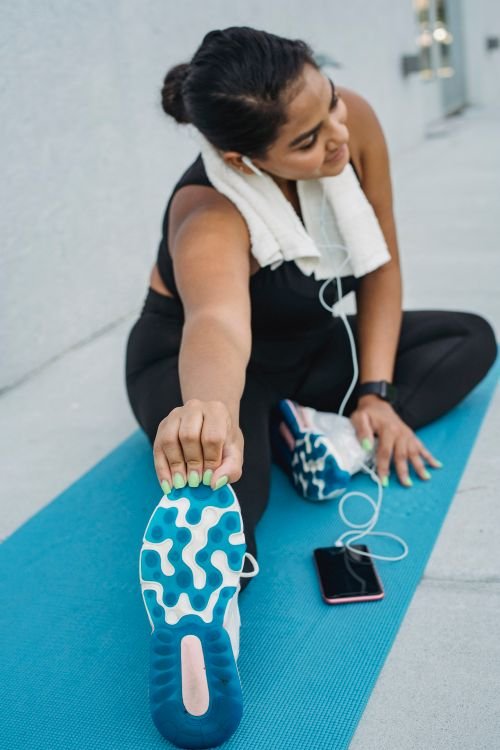
- Active recovery means gentle movement at about 30 to 60 percent of your normal effort: a 20-minute walk, light stretching, easy cycling, or gentle yoga. It improves blood flow, loosens stiffness, and often leaves you feeling better than sitting still.
- Full rest means no real exercise at all. Save it for when you feel exhausted, ill, or in pain, or after your hardest week of training.
A good beginner week has both: 1 to 2 active recovery days and 1 full rest day. Listening to your body is how you choose between them — mild soreness usually improves with gentle movement, while real fatigue needs full rest.
Choosing gentle movement on most rest days is the golden rule of recovery for beginners, because circulation speeds healing in a way complete stillness does not.
Your Simple 7-Day Recovery Plan
Here is a week that balances training and recovery for a beginner doing 3 workouts a week:
- Day 1 — Workout day: finish with a 5 to 10-minute cool-down of slow walking and gentle stretches, drink water, and eat a balanced meal within about 90 minutes.
- Day 2 — Active recovery: 20-minute easy walk plus 10 minutes of gentle stretching for hips, hamstrings, calves, and shoulders.
- Day 3 — Workout day: same cool-down routine as Day 1.
- Day 4 — Full rest: sleep in if you can, move only lightly around the house, and skip structured exercise.
- Day 5 — Workout day: same cool-down, plus 5 minutes of foam rolling on calves, quads, hamstrings, and back.
- Day 6 — Active recovery: gentle yoga, easy cycling, or another walk, plus stretching.
- Day 7 — Full rest or light movement: whichever your body asks for.
Keeping the plan this simple is the best way to learn recovery for beginners, because a plan you actually follow beats a perfect plan you abandon.

Sleep: The Biggest Recovery Tool You Own
Sleep is when most repair happens. During deep sleep your body releases growth hormone, restores energy stores, and resets your nervous system. Beginners who sleep 7 to 9 hours a night recover noticeably better than those who do not.
A simple wind-down helps: dim the lights 45 minutes before bed, put screens away, and do something calm — reading, gentle stretching, or a warm bath. Keep your room cool, dark, and quiet, and try to sleep and wake at similar times each day, even on weekends.
Treating sleep as training, not as optional downtime, is the mindset shift at the heart of recovery for beginners, because no stretch or supplement replaces a good night’s rest.
Mistakes to Avoid
- Skipping the cool-down — jumping straight to the shower leaves you stiff and dizzy.
- Stretching cold muscles hard — warm up with gentle movement first, then stretch.
- Training through sharp pain — dull soreness is normal, sharp pain is a warning.
- Skipping rest days when you feel good — rest days are planned, not earned by feeling tired.
- Under-drinking and under-eating — water carries nutrients to muscles, and a balanced post-workout meal fuels repair.
- Chasing supplements first — consistent sleep, food, and rest beat any powder.
Recovery and the Rest of Your Fitness
Recovery connects everything else you do. Good recovery makes your next workout feel easier, which makes consistency easier, which is what actually builds fitness. It is the quiet half of every training plan.
Like our core training for beginners, recovery work needs no equipment and fits into a small space. It pairs with stretching for beginners for your cool-downs, and with exercise snacking for beginners on active recovery days — a few 5-minute movement snacks are perfect gentle activity.
Trying one recovery habit at a time is the best way to build recovery for beginners, because the base plan stays the same while one thing improves.
If you remember one thing from this recovery for beginners guide, let it be this: train hard, rest well, and let your body do the growing in between.