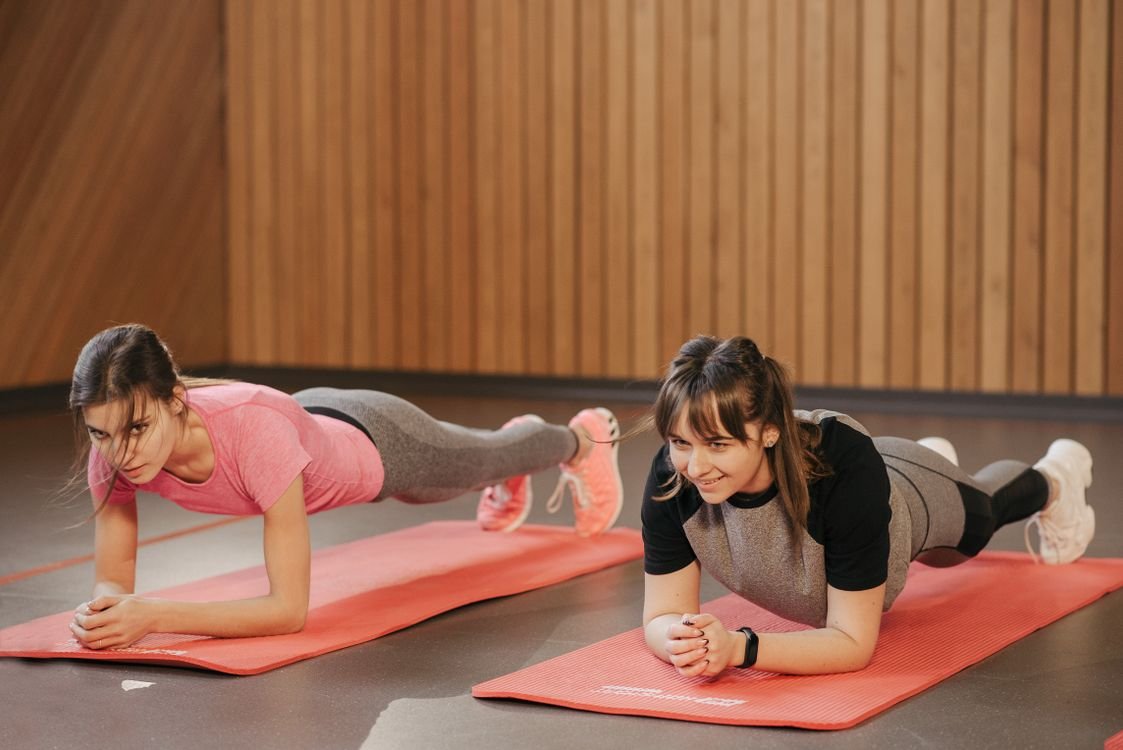
Exercise snacking for beginners is the simplest way to get fit when a full workout feels impossible. Instead of one long gym session, you do short bursts of movement — 5 minutes or less — spread through your day. A brisk walk, a set of squats, a few flights of stairs: each one counts, and together they add up to real fitness.
If you keep skipping workouts because you cannot find an hour, this is the answer. Exercise snacking removes the biggest barrier — time — because starting takes only 5 minutes, and you can do it in normal clothes, at home or at work.
This exercise snacking for beginners guide shows you exactly what to do, when to do it, and how to build it into a daily habit, with no equipment and no gym membership.
Note: this is general wellness information, not medical advice. If you have a health condition or are unsure whether an exercise is right for you, check with a qualified health professional first.
What Is Exercise Snacking?
Exercise snacking means doing brief, intentional bouts of movement at different points in the day, rather than all your exercise in one session. Recent practical guidance describes snacks as roughly 1 to 5 minutes long, done at least twice a day, on at least 3 days a week. The goal is not intensity — it is making movement small enough that starting feels easy.
The idea works because a workout that is perfect but repeatedly skipped helps nobody. Short bouts of activity break up long sitting time, raise your heart rate, and build the habit of moving — which is the hardest part for most beginners.
Choosing movement you enjoy is the small habit that makes exercise snacking for beginners work, because a snack you like is one you will actually repeat tomorrow.
5 Easy Exercise Snacks to Start With
You need no equipment for any of these. Pick 2 or 3 and rotate them through your day:
- Brisk 5-minute walk — around the block, around the office, or while on a phone call.
- Stair climbing — up and down one flight, 2 to 3 times.
- Bodyweight squats — 10 slow squats, holding a chair if you need balance support.
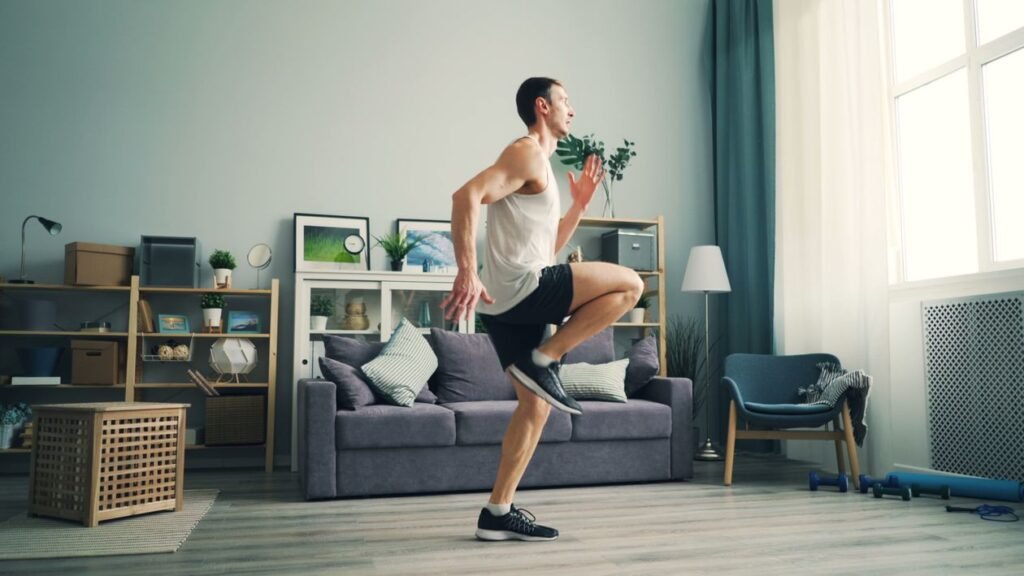
- Marching in place — 2 minutes, lifting your knees and swinging your arms.
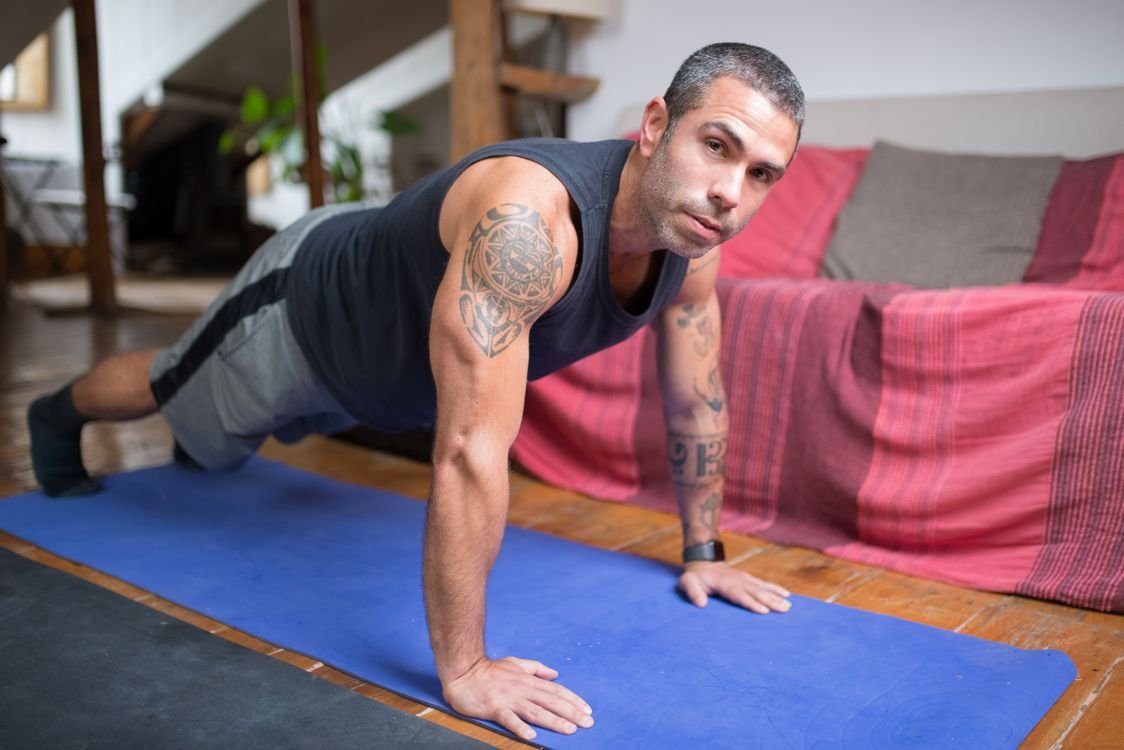
- Push-ups — 5 to 10 reps, from your knees or against a wall if full push-ups are too hard.
Doing the same snack at the same daily trigger — after lunch, before a meeting, while the kettle boils — turns it into a habit faster than willpower ever will.

A Sample Exercise Snacking Day
Here is what a beginner day looks like, adding up to about 20 minutes of movement without a single workout session:
- Morning: 5-minute brisk walk after breakfast.
- Midday: 10 squats + 2 minutes of marching before lunch.
- Afternoon: stair climbing for 3 minutes instead of taking the lift.
- Evening: 5 wall push-ups + a gentle stretch while dinner cooks.
A 5-minute snack after meals is the easiest part of exercise snacking for beginners, because it needs no planning and fits into time you already spend waiting.

How to Build the Habit
Start with just 2 snacks a day for the first week — that is 10 minutes total. In week 2, add a third snack. By week 4, aim for 3 to 4 snacks a day, most days of the week. Progress slowly: add one rep, one flight of stairs, or one extra minute at a time.
Track your snacks simply — a tick on a calendar for each one. Seeing a chain of ticks is surprisingly motivating, and missing one day is not failure: just do the next snack.
Spreading movement through the day is the golden rule of exercise snacking for beginners, and it is what makes fitness fit a busy life instead of fighting against it.
Mistakes to Avoid
- Going too hard on day one — sore muscles kill motivation; start easy.
- Skipping warm-up — move gently for the first 30 seconds of each snack.
- Sitting all day except for snacks — snacks add to movement, they do not replace walking and daily activity.
- Ignoring pain — discomfort that is sharp or unusual means stop and rest.
- Expecting instant results — fitness builds over weeks, not days.
Exercise Snacking vs a Full Workout
Exercise snacking does not replace longer workouts forever — it is the on-ramp. Once moving 3 to 4 times a day feels easy, many people naturally want a longer session, and that is the perfect time to add one. Think of snacks as the foundation and longer workouts as the next floor, not a rival.
Like our bodyweight exercises for beginners, snacking uses your own body weight and no equipment. It also pairs well with cardio for beginners, since short walks and stair climbs build the same endurance base. And if you later want a structured session, our home workout routine for beginners gives you a full 30-minute plan to grow into.
Trying one variation at a time is the best way to learn exercise snacking for beginners, because the base habit stays the same while one thing changes.
If you remember one thing from this exercise snacking for beginners guide, let it be this: 5 minutes counts, done beats perfect, and the best workout is the one you actually do.