
Circuit training for beginners is the fastest way to get a full workout into a busy day. Instead of training one muscle group at a time, you move through a series of stations — squats, push-ups, planks, lunges — back to back, with short rests. In 20 minutes you train strength and cardio together, with no equipment and no gym.
The format is simple: pick 6 exercises, do each for 30 to 45 seconds, rest 1 minute after the full round, and repeat 2 to 3 times. That is one complete workout, and it fits into a lunch break.
This circuit training for beginners guide gives you the full 6-station routine, the timers to use, how to scale it up or down, and the mistakes that make circuits feel miserable instead of fun.
Note: this is general wellness information, not medical advice. If you have a health condition, injury, or joint pain, check with a qualified health professional before starting.
How a Circuit Works
A circuit is a loop of exercises done one after another with little rest between them. You rest properly only at the end of the loop, then go again. This keeps your heart rate up while different muscles take turns working — your legs rest while your arms work, and vice versa.
A simple bodyweight circuit needs nothing but a small space and a timer on your phone. Work for 30 seconds and rest 15 seconds between stations if you are brand new; move to 45 seconds of work and 15 seconds of rest as you get fitter.
Understanding that the circuit, not any single exercise, is the workout is the first lesson of circuit training for beginners, because it stops you from going all-out on station one and collapsing on station two.
The 20-Minute Beginner Circuit
Warm up for 2 minutes first: march in place, arm circles, and gentle leg swings. Then do this loop, 45 seconds of work and 15 seconds of rest at each station:
- Jumping jacks — steady pace, low-impact version is stepping side to side.
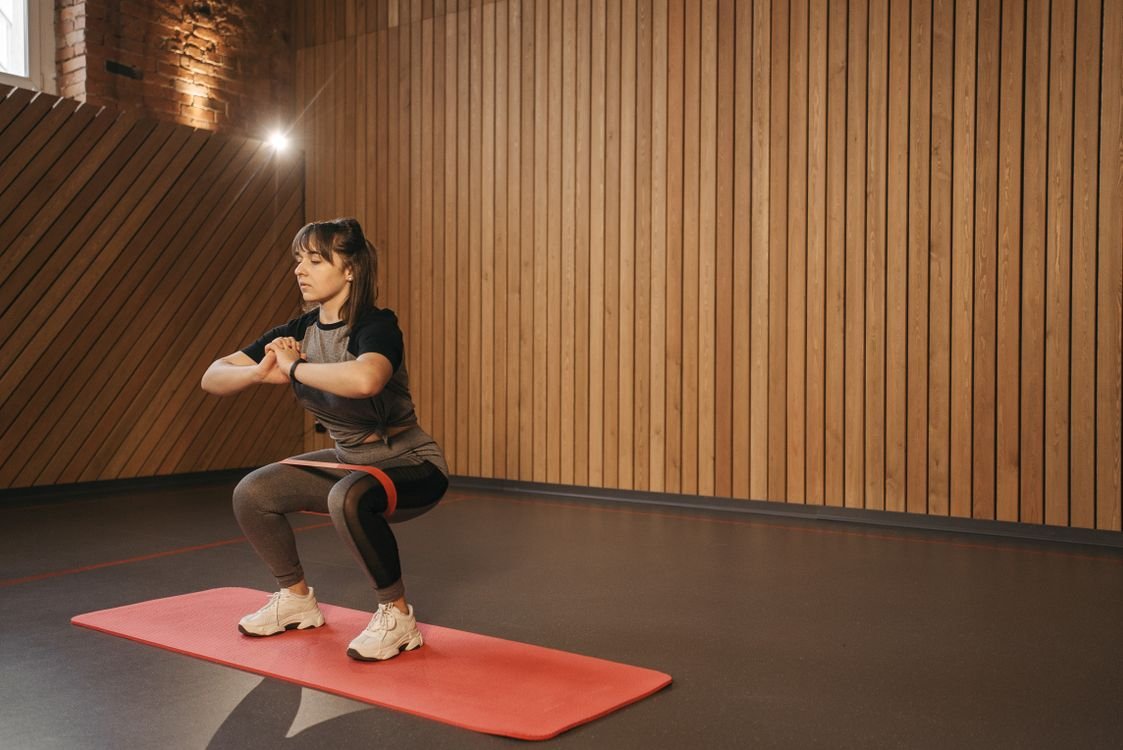
- Bodyweight squats — feet shoulder-width, sit back as if into a chair.
- Knee push-ups — hands under shoulders, straight line from head to knees.
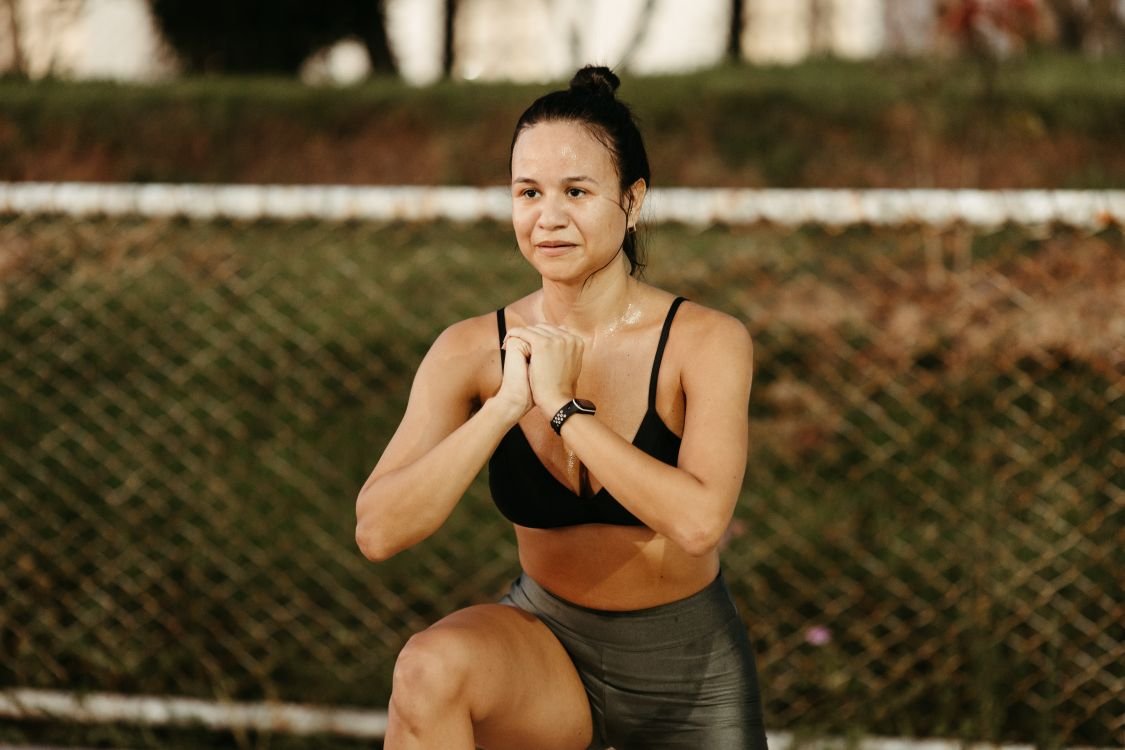
- Alternating lunges — step forward, lower gently, step back, switch legs.
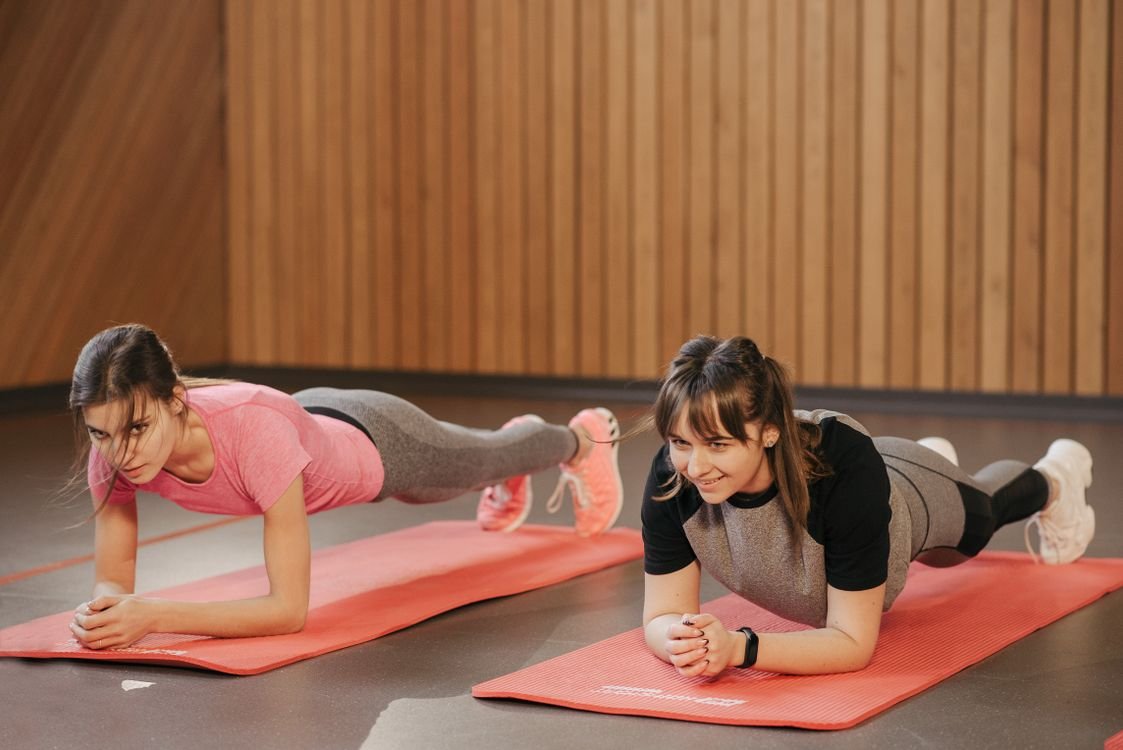
- Plank — forearms and toes (or knees), straight line, breathe normally.
- Glute bridges — lie on your back, feet flat, lift hips and squeeze.
Rest 1 minute after all 6 stations, then repeat. Two rounds takes about 15 minutes; three rounds takes about 20. Start with 2 rounds in week one and add the third when it feels manageable.
Keeping a steady pace you can hold for the whole round is the golden rule of circuit training for beginners, because a circuit finished is worth more than a circuit abandoned halfway.

How to Progress Week by Week
- Weeks 1 to 2: 2 rounds, 30 seconds of work and 15 seconds of rest per station.
- Weeks 3 to 4: 2 to 3 rounds, 45 seconds of work and 15 seconds of rest.
- Weeks 5 to 6: 3 rounds, and try harder versions — full push-ups, deeper squats, longer planks.
- After that: add a fourth round, shorten the rest between rounds to 45 seconds, or add one new station like mountain climbers.
Do this circuit 2 to 3 days a week on non-consecutive days, with walking or gentle activity on the other days. Finish each round feeling tired but able to speak in short sentences — that is the right effort.
Adding difficulty only when you can finish all rounds with good form is the safest way to progress in circuit training for beginners, because sloppy reps at speed are how beginners get hurt.
Mistakes to Avoid
- Skipping the warm-up — cold muscles and a cold heart rate make station one feel awful.
- Going too fast on round one — pace yourself; you have 2 to 3 rounds to complete.
- Holding your breath — breathe steadily, especially during planks and squats.
- Skipping rest between rounds — the 1-minute rest is part of the workout, not laziness.
- Doing circuits every day — muscles need recovery days; 2 to 3 circuit days a week is plenty.
Circuits and the Rest of Your Week
Circuits pair with almost everything. Do them on your main workout days, walk or stretch on the other days, and keep one full rest day each week. They are also a great way to use short pockets of time — the same idea as breaking movement into small pieces through the day.
Like our bodyweight exercises for beginners, this routine needs no equipment and works in a small room. It builds the same endurance base as cardio for beginners, and the plank and bridge stations strengthen the muscles from our core training for beginners guide.
Trying one progression at a time is the best way to learn circuit training for beginners, because the base loop stays the same while one thing changes.
If you remember one thing from this circuit training for beginners guide, let it be this: steady pace, full rounds, and one more round next week — that is how fitness is built.