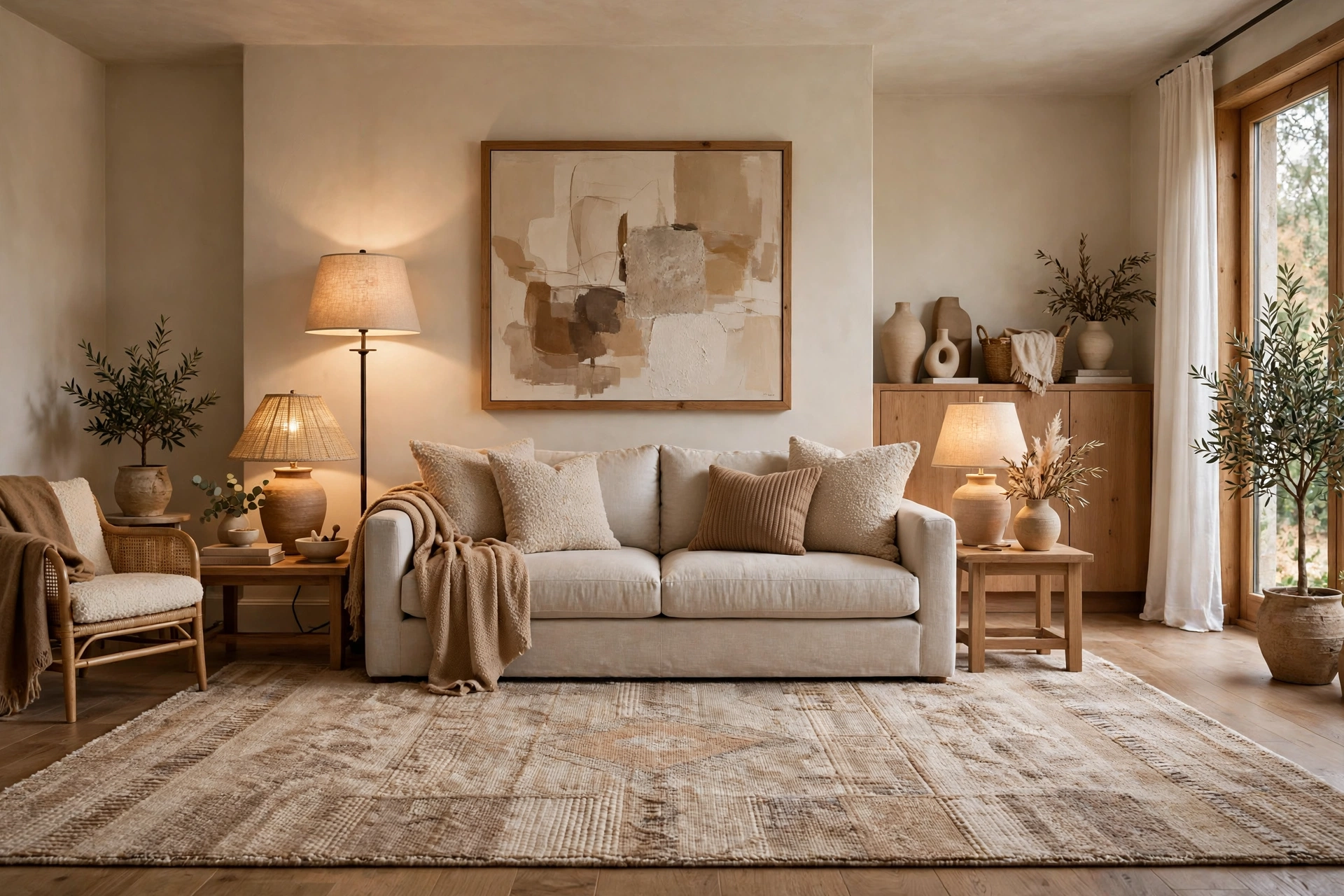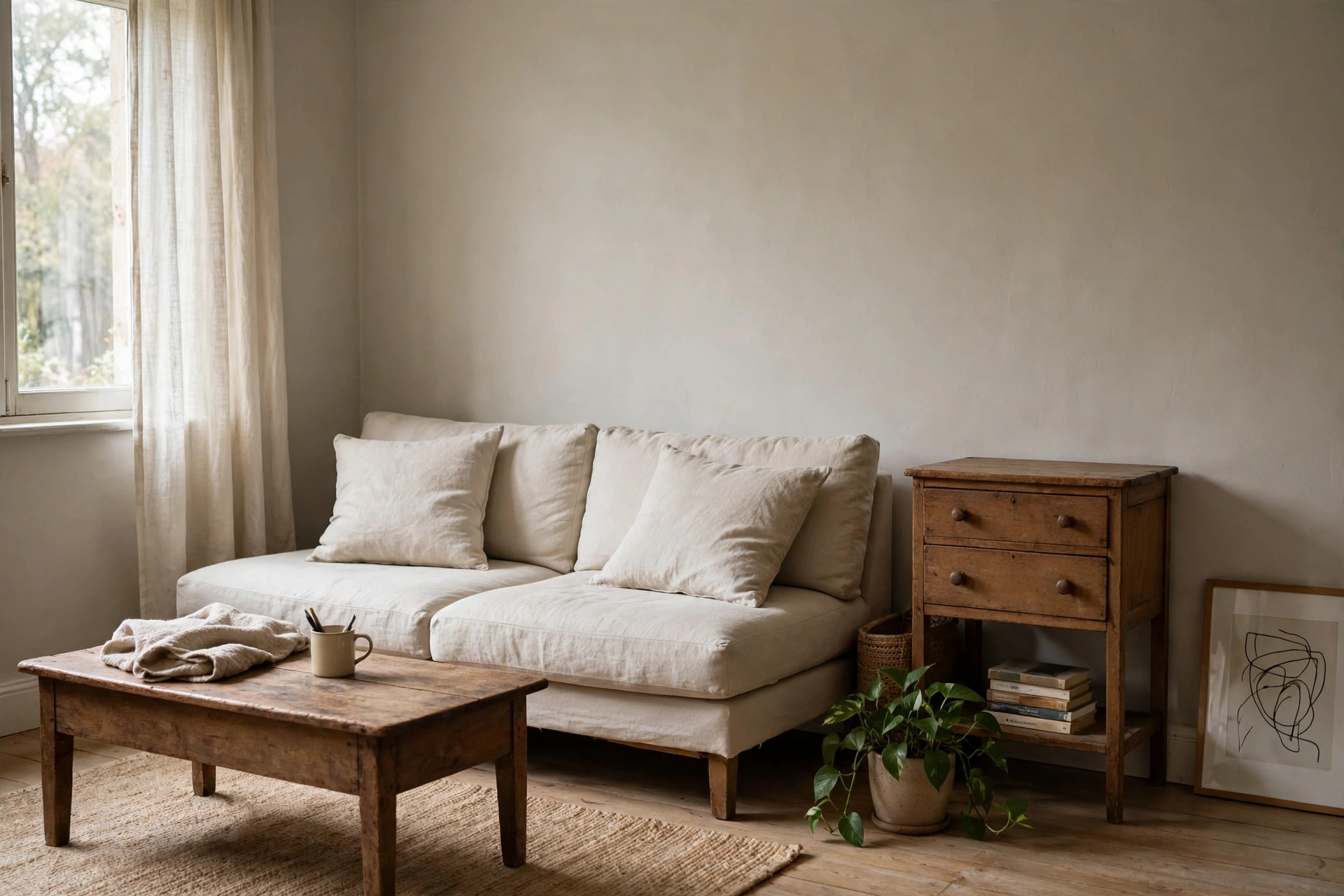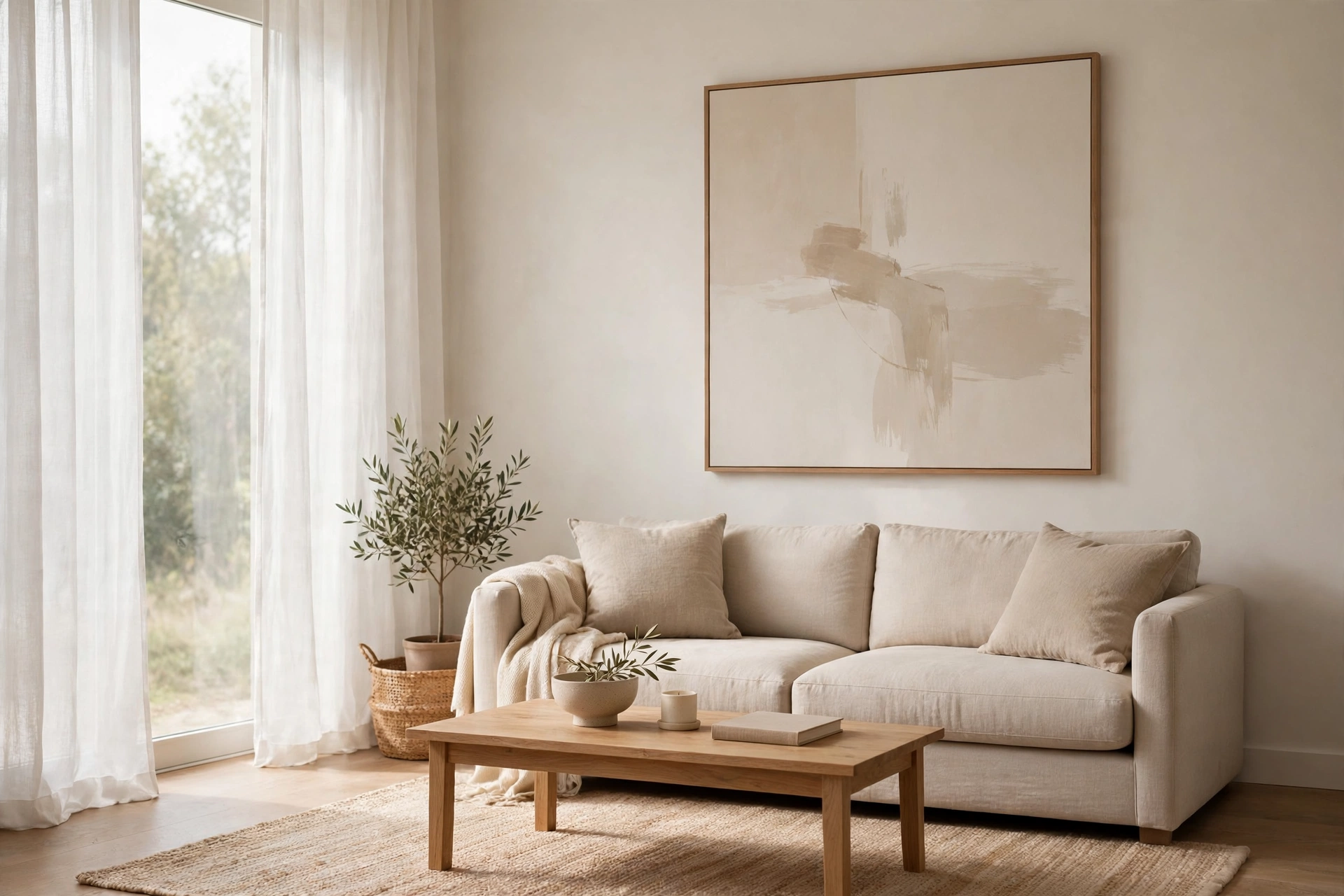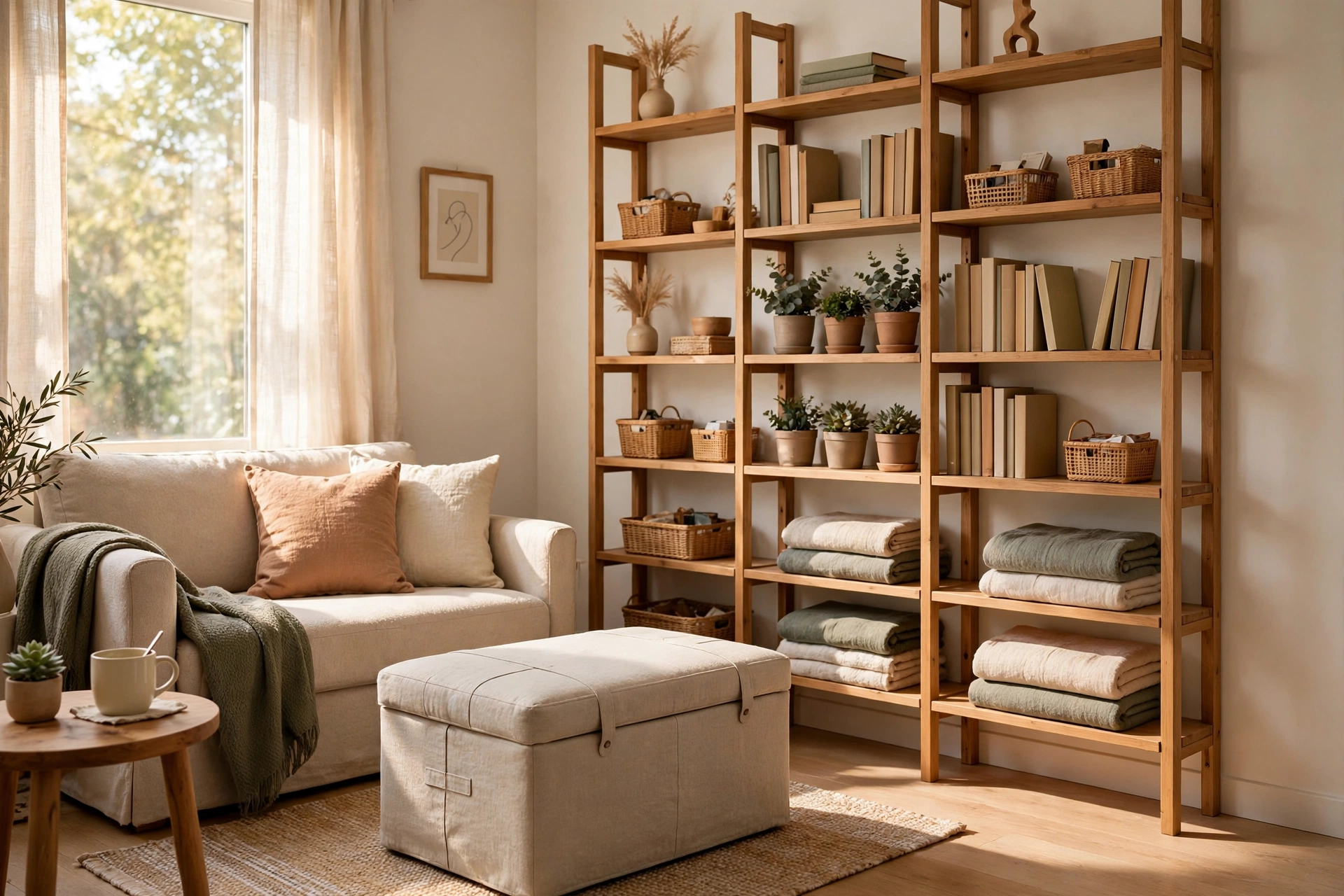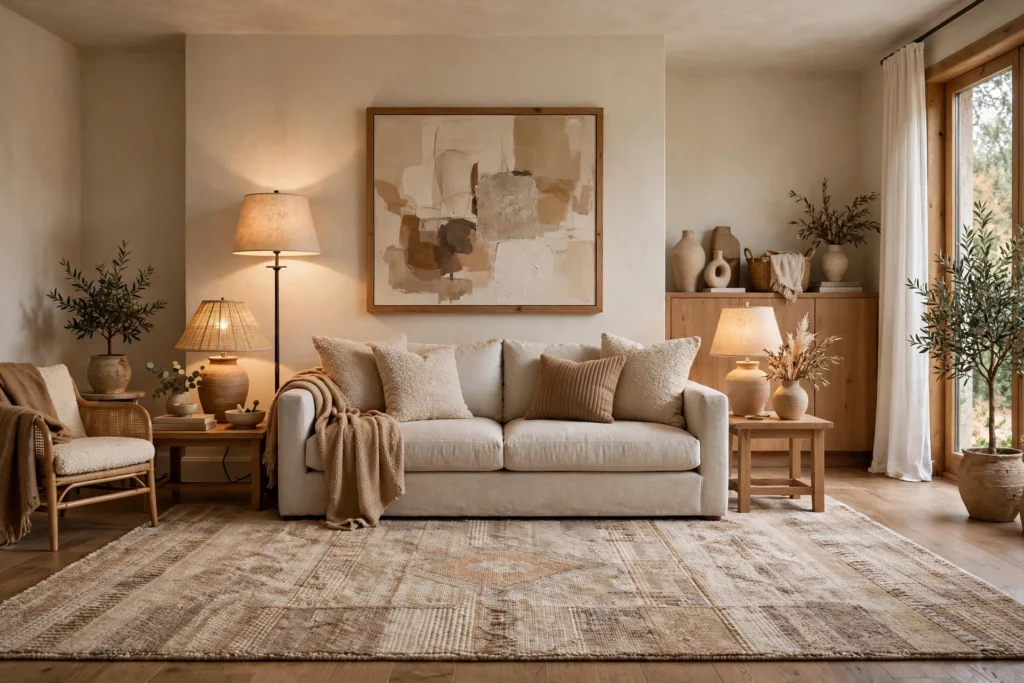
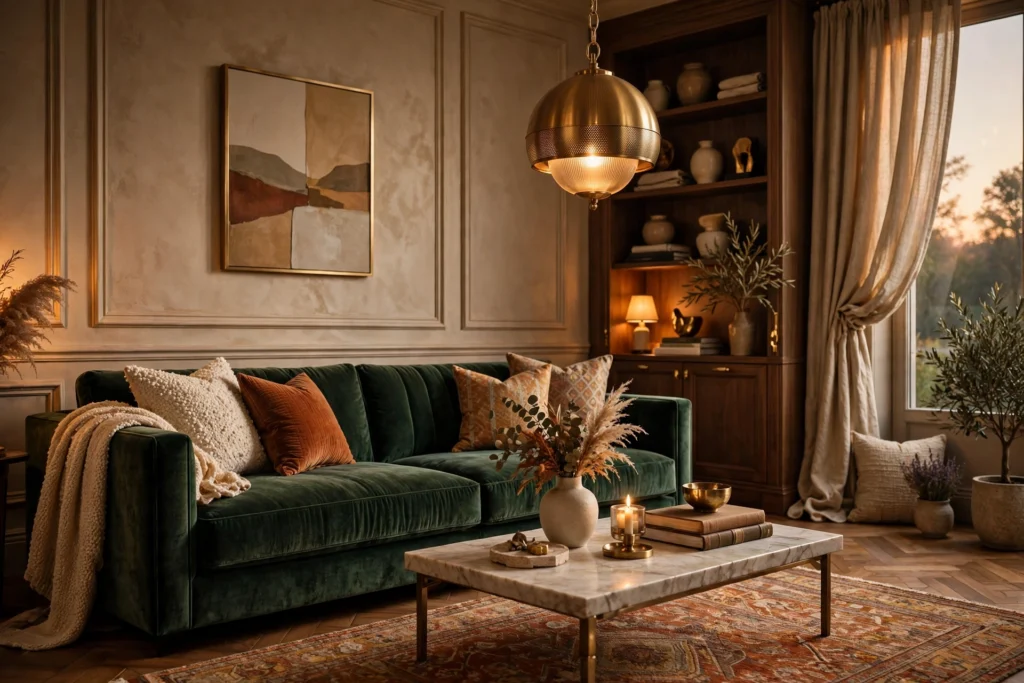
Luxury home decor is the art of choosing fewer, better pieces and arranging them with care, so a room feels considered rather than crowded. It is about quality materials, layered light and breathing space, not price tags. A modest home can feel high-end, and an expensive one can feel cluttered. The difference is in the choices, not the budget. Here are seven ideas that work in any home, whether you invest in one beautiful piece or simply rearrange what you already own.
Key Takeaways
- Buy one quality foundation piece before anything else.
- Layer textures such as velvet, wool, linen and silk.
- Treat lighting as the statement, not an afterthought.
- Pick one metal and repeat it two or three times.
- Keep a refined palette and plenty of open space.
What Is Luxury Home Decor?
Luxury home decor is a design approach built on quality materials, rich textures, layered lighting and restrained styling. Instead of filling a room with many items, it focuses on a few well-made pieces, a cohesive color palette and open space, creating an elegant, high-end look at any budget.
1. Start With One Quality Foundation Piece
Every luxurious room is anchored by one piece made to last: a deep-seated sofa in a premium fabric, a solid wood dining table, or a well-crafted bed frame. Good pieces age gracefully, developing a patina that adds warmth and character. Cheap, trendy furniture does the opposite. It dates quickly and drags the whole room down with it.
If you can invest in only one thing, choose the piece you use most. A sofa you sit on daily or a bed you sleep in nightly is worth more than ten decorative objects. Then let the room develop slowly around it rather than buying a matching set in one afternoon. Rooms collected over time always look more expensive than rooms bought in one go.
Designer tip: Before buying, sit on the piece for at least ten minutes and check the frame, joinery and fabric weight. Comfort and construction tell you more than the label does.
2. Layer Rich Textures
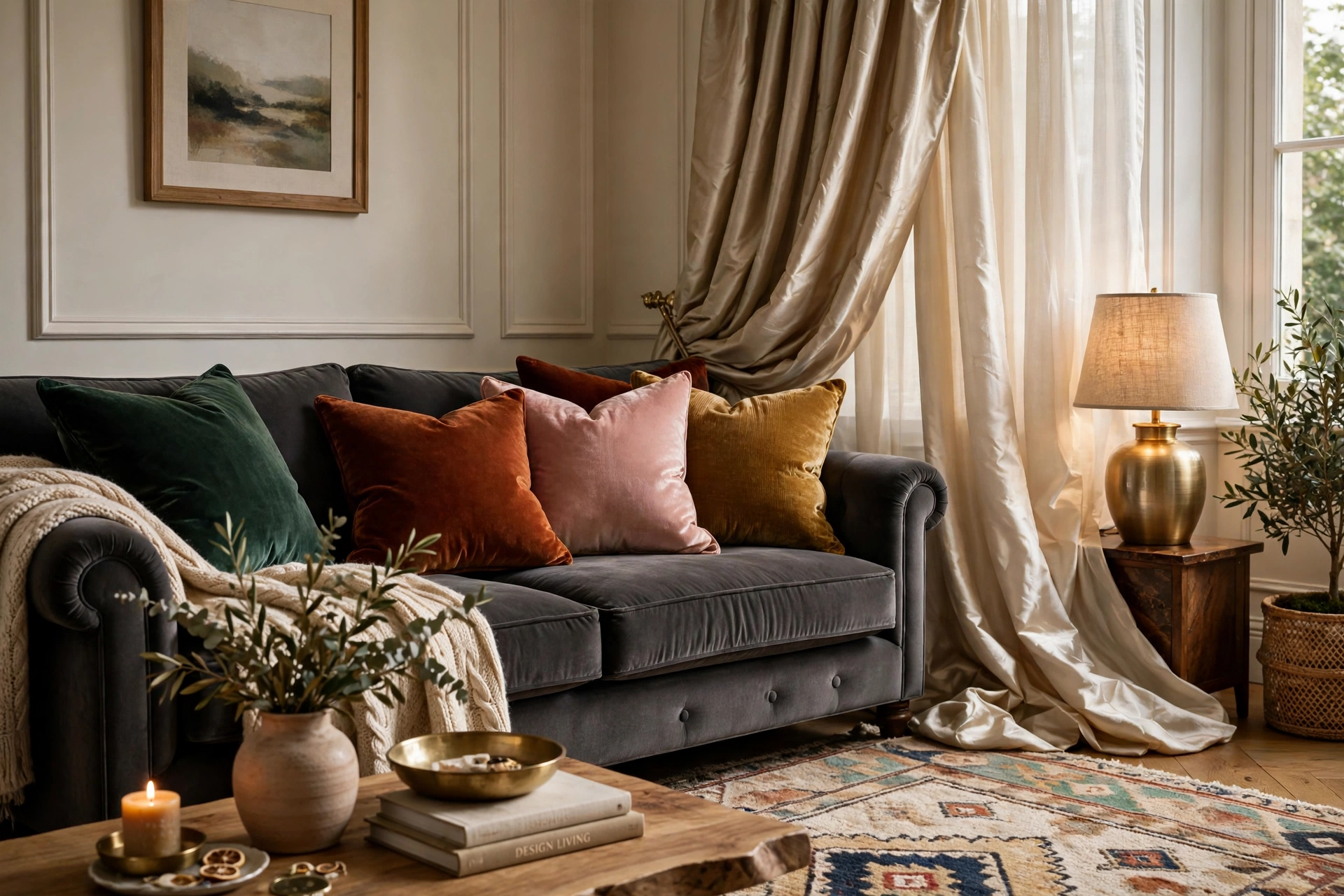
Texture is what makes a room feel expensive the moment you walk in. Velvet, silk, wool, linen and cashmere add a tactile richness that flat, synthetic fabrics cannot match. Layer them: silk or velvet cushions on a linen sofa, a wool rug underfoot, heavyweight linen curtains at the windows, and a soft throw folded over an armchair.
Mixing materials matters as much as the materials themselves. Smooth marble beside warm wood, a silk curtain beside a wool rug, a brass tray on a wooden table: these contrasts create depth and make a space feel curated rather than merely decorated. Choose natural, organic materials over shiny synthetics wherever you can, because quality is something you feel as much as see. Layering this way is a classic luxury home decor technique, since texture does the work that extra furniture cannot.
3. Make Statement Lighting the Star of Your Luxury Home Decor
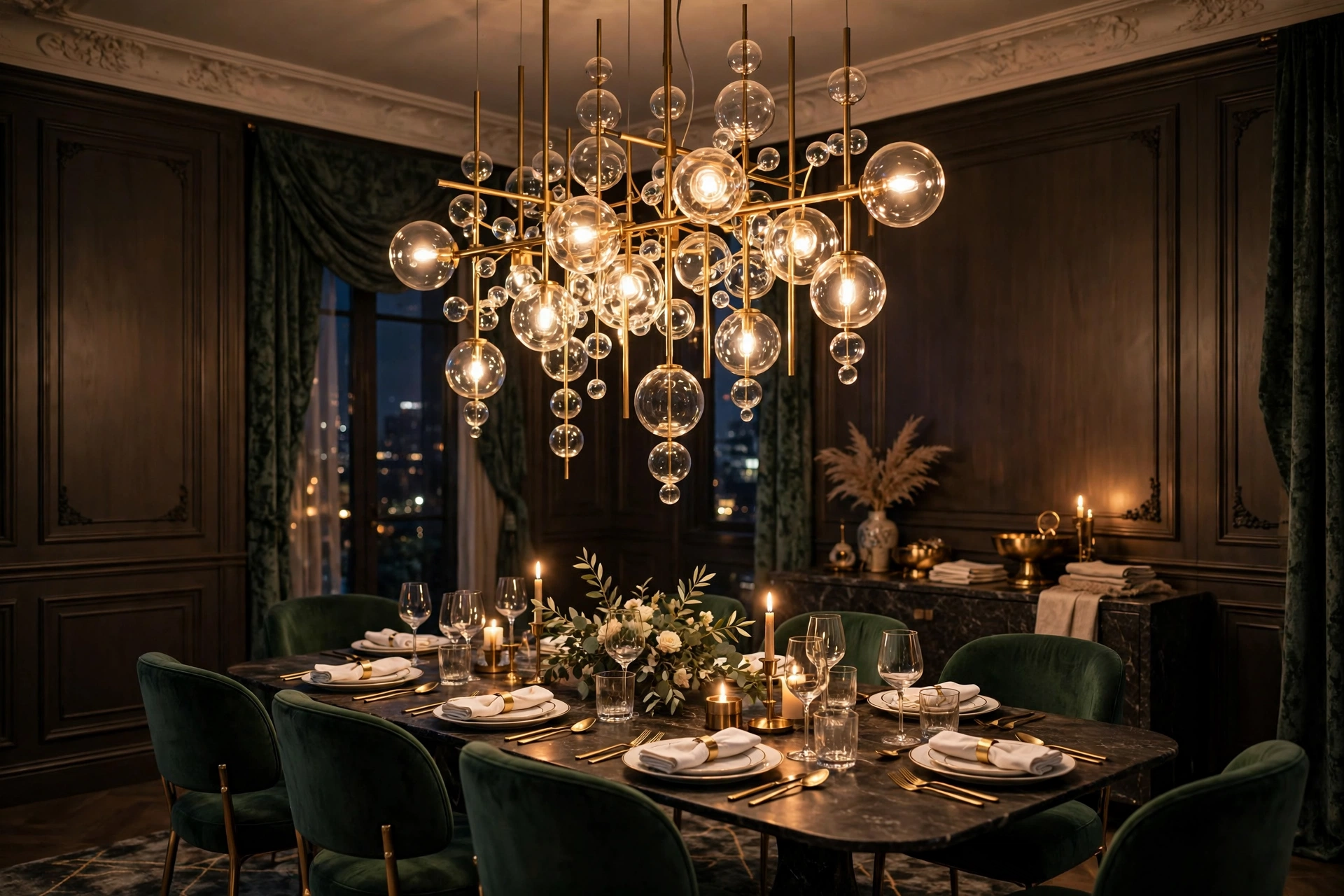
Lighting is the fastest way to change how a room feels, and in luxury interiors it is treated as art, not just function. A sculptural chandelier, oversized pendant lights or elegant wall sconces can be the focal point of a room on their own. Materials like brushed brass, hand-blown glass and alabaster turn a fixture into a defining design element.
Layer your light instead of relying on one harsh ceiling fixture. Use ambient light for general brightness, task light for reading and cooking, and accent light to highlight art or architecture. Warm bulbs and dimmers let you shift the mood from bright mornings to soft evenings. Good lighting is also the cheapest way to make simple furniture look far more expensive.
4. Add Metallic Accents in Small Doses
Gold, brass and chrome bring a refined glamour to a room, but only in small doses. A brass mirror frame, gold cabinet handles, a chrome lamp base or a metallic tray catches the light and adds opulence without overwhelming the space.
The rule is restraint: pick one metal, repeat it in two or three places, then stop. Mixed metals scattered everywhere look accidental, while one consistent finish looks deliberate. Pair metallics with natural materials, such as brass against walnut or gold against deep green velvet, and the result reads as upscale rather than showy. Used sparingly, metallics are among the easiest luxury home decor upgrades: small, affordable and instantly visible.

5. Choose a Refined Color Palette With Depth
Luxurious rooms share a disciplined palette. Start with a calm base of neutrals such as cream, beige, taupe and soft gray, then add depth with one or two richer hues: navy, emerald, burgundy or forest green. The neutrals keep the room serene, while the deeper color gives it drama and personality.
Keep the palette consistent from room to room so the home flows as one space, and introduce color through art, cushions and accessories rather than repainting every wall. When nothing fights for attention, textures and statement pieces get room to shine.
6. Use Art, Mirrors and the Right Scale
Scale is the designer secret most people miss. One large piece of art over the sofa beats a busy wall of small prints. A large mirror makes a room feel twice as big, reflects light and adds glamour, especially in an entryway or above a console table. A rug must be big enough for the front legs of all seating to sit on it, otherwise the whole seating area looks disconnected.
Give each room one focal point and let it breathe. Empty space is not wasted space; it is what lets the important pieces stand out. If your rooms are small, our Small Space Organization for Beginners guide shows how the same rule works in compact homes, where one strong piece beats many small ones every time.
7. Keep Surfaces Curated and Add Living Touches
A luxurious room is never crowded. Keep countertops, tables and shelves free of excess, and display only a few chosen objects: coffee table books, a sculptural vase, a candle, fresh flowers or branches. Each object should be something you would notice if it were gone.
Then add life. Fresh flowers, a tall plant or a bowl of seasonal fruit softens hard surfaces and makes a room feel lived in rather than staged. To keep the habit going, our Home Organization for Beginners guide covers the routines that stop beautiful rooms from slowly refilling with clutter.
How to Make a Living Room Look Luxurious
The living room is where luxury shows first. Start with a large rug that fits under all the seating, swap harsh ceiling lights for a statement pendant plus two lamps, and add one oversized artwork above the sofa. Keep the palette to two or three tones and limit the coffee table to three objects. These four changes deliver the biggest premium interiors effect for the least money.
7 Luxury Home Decor Mistakes to Avoid
- Buying too many small accessories. Fewer pieces with more impact always look more expensive.
- Matching everything from one collection. Mix materials and shapes instead.
- Ignoring lighting. A single harsh ceiling fixture flattens even the best furniture.
- Choosing the wrong rug size. Measure before buying, and go larger, not smaller.
- Following every trend. Trendy pieces date fast; timeless pieces last for years.
- Filling every empty space. Negative space is what makes quality pieces stand out.
- Mixing too many metals. Commit to one finish and repeat it.
Luxury Home Decor on a Smaller Budget
Luxury does not require a luxury budget. The same principles work at lower prices: cotton velvet instead of silk, quality laminate or butcher block instead of natural stone, vintage-inspired gold mirrors from thrift stores, and one statement light instead of a whole new room. Our Minimalist Home Decor on a Budget guide applies the same thinking step by step, and our Minimalist Home Decor Essentials guide covers the calm, quality-first base that luxury builds on.
Use this quick guide to decide where your money matters most:
| Splurge on | Save on |
|---|---|
| Sofa or bed frame | Cushion covers |
| Statement light fixture | Vases and trays |
| Large wool rug | Throws and candles |
| Quality curtains | Frames and wall art prints |
Start with lighting and textiles, since a stylish lamp and rich cushions change a room immediately. Then declutter, then invest in one quality piece when you can. That sequence is the real secret: luxury is not a price tag, it is a set of choices. Fewer, better pieces, layered light, rich texture and room to breathe will make any home feel elegant.