

Cold plunging has gone from an athlete-only habit to one of the fastest-growing wellness trends of 2026. But what exactly is it, does it really work, and how do you start without hurting yourself? Here is the full, to-the-point guide.
This guide covers the benefits, risks, and safe way to start a cold plunge.
What Is a Cold Plunge?
A cold plunge is short immersion in cold water, usually between 10–15°C (50–59°F), for a few minutes at a time. It can be done in an ice bath, a cold plunge tub, a cold lake, or even a cold shower as a beginner step. The idea is simple: brief, controlled cold exposure triggers the body’s stress response, and the recovery afterward delivers the benefits.
7 Benefits of Cold Plunging
- Faster muscle recovery. Cold water reduces inflammation and soreness after workouts, which is why athletes have used ice baths for decades.
- Better mood and energy. Cold exposure triggers the release of endorphins and norepinephrine, leaving many people feeling alert and upbeat afterward.
- Improved stress resilience. Regular, controlled cold exposure trains your body to handle stress more calmly over time.
- Better sleep. Many people report deeper sleep on plunge days, partly because the post-plunge drop in body temperature supports the natural sleep cycle.
- Stronger immune response. Some studies suggest regular cold exposure is linked to fewer sick days, though the evidence is still developing.
- Reduced inflammation. Cold water constricts blood vessels and can help calm the body’s inflammatory response.
- Sharper focus. The intense, in-the-moment experience of cold water acts like a reset for a scattered mind.
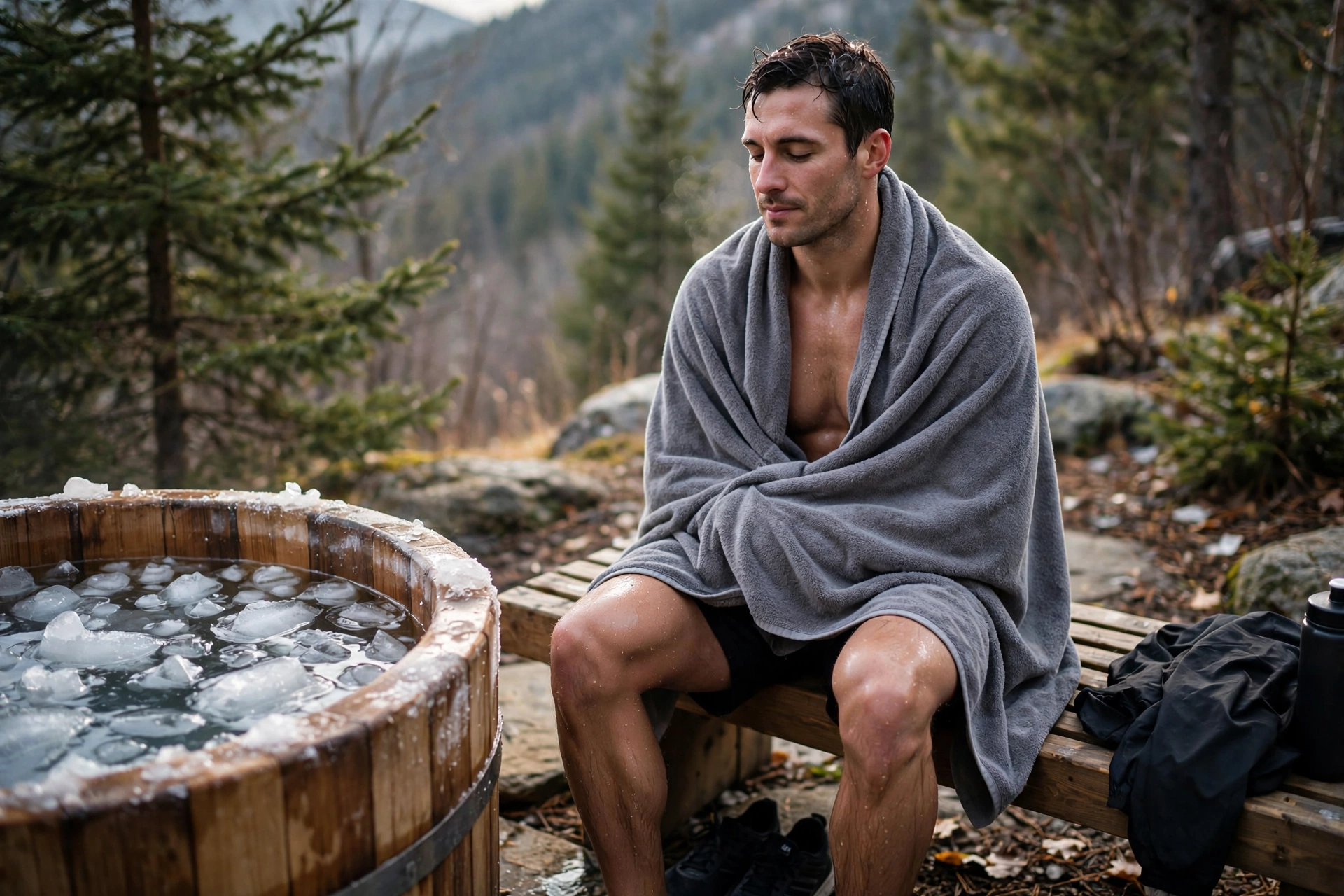
Many people use a cold plunge after exercise to support recovery and feel more alert during the day.
The Risks You Should Know
Cold plunging is powerful, which means it is not for everyone. The sudden cold shock raises heart rate and blood pressure for a short time. People with heart conditions, high blood pressure, asthma, or circulation problems should talk to a doctor first. Never plunge alone, never stay in too long, and get out immediately if you feel dizzy, numb, or short of breath. This article is general information, not medical advice.
How to Start: A Beginner Protocol
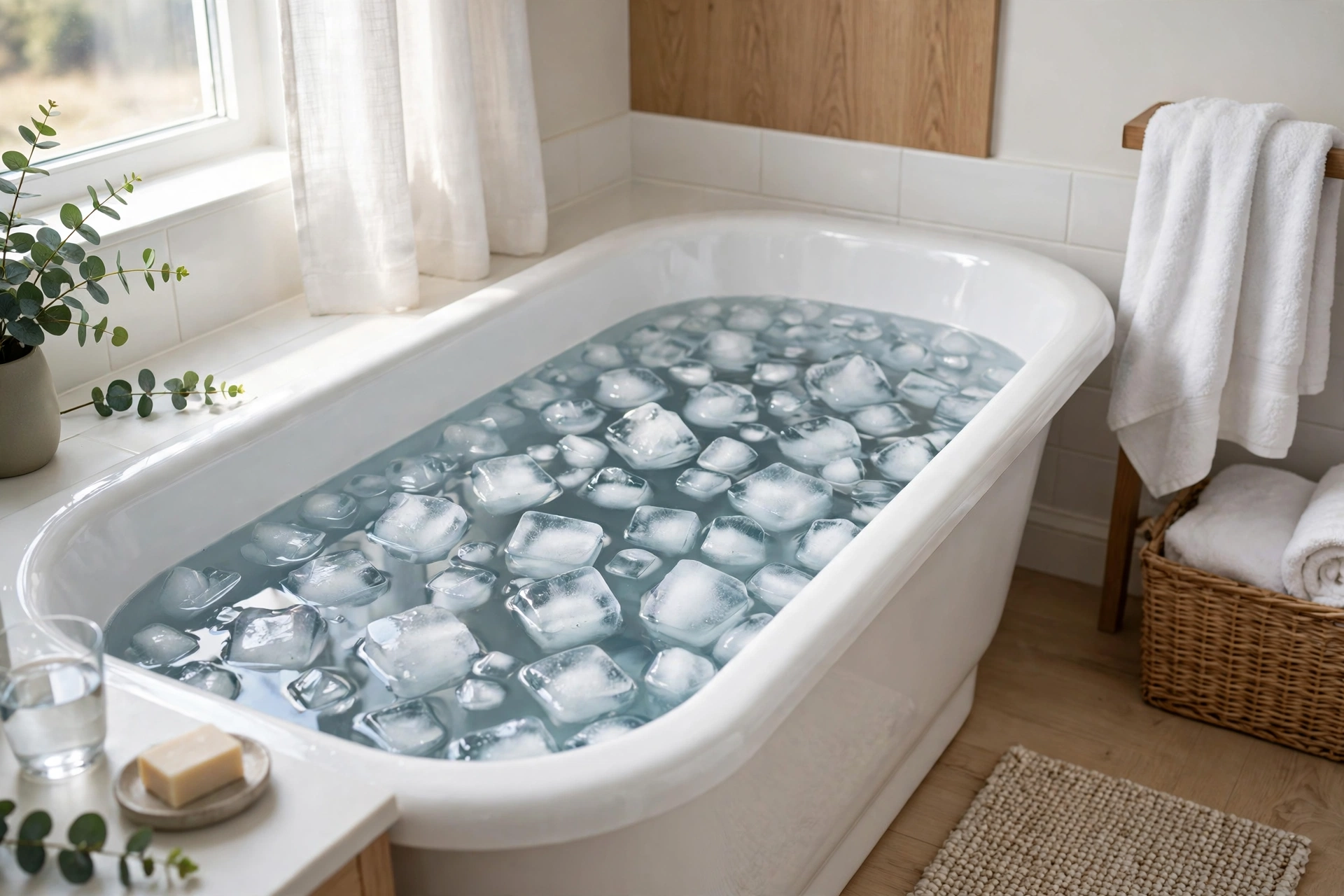
A simple home cold plunge setup can be as basic as a bathtub filled with cold water and ice.
Step 1: Start with cold showers. Spend the last 30–60 seconds of your shower on cold for one week. This builds tolerance safely.

Step 2: Pick your setup. A bathtub with cold water and a bag of ice works fine for beginners. Purpose-built plunge tubs and gym ice baths are more convenient but not required.
Step 3: Aim for 10–15°C (50–59°F). You do not need freezing water. If you cannot measure the temperature, the water should feel very cold but bearable, not painful.
Step 4: Start with 1–2 minutes. Sit in up to your chest, breathe slowly, and keep your hands and head out of the water at first. Add 30 seconds every few sessions.
Step 5: Warm up slowly afterward. Dry off, put on warm clothes, and let your body rewarm naturally. Avoid a hot shower immediately after, as it can feel uncomfortable.
How Often Should You Plunge?
Two to four sessions per week is enough for most people. Daily plunging is possible, but rest days help your body adapt. Avoid plunging right after strength training if muscle growth is your main goal, as very cold exposure immediately post-workout may blunt some gains — wait a few hours instead.
A short, regular cold plunge is better than one long, uncomfortable session.
At-Home vs. Gym Plunge: Which Is Better?
- At home (bathtub + ice): Cheapest option, flexible timing, but temperature control is harder.
- Plunge tub: Consistent temperature and easy routine, but costs more upfront.
- Gym or wellness center: Best for trying it out, with staff around and proper setup, but you pay per visit.
For beginners, starting at home or at a gym session is the smartest way to learn whether you actually enjoy it before investing.
Tips for a Safe, Effective Plunge
- Never plunge alone, especially in open water.
- Keep sessions short at first — more time is not automatically better.
- Focus on slow, steady breathing; do not hold your breath or hyperventilate.
- Warm up gradually afterward with movement and dry clothes.
- Listen to your body: shivering afterward is normal, but prolonged numbness is a sign to stop.
The safest cold plunge is one you can repeat comfortably, so build up slowly rather than pushing through discomfort.
Final Thoughts
Cold plunging is not magic, but it is a simple, low-cost habit with real benefits for recovery, mood, and resilience — if done safely. Start small, respect the cold, and stay consistent for a few weeks. Your body will tell you whether it is worth keeping in your routine.
Start slowly, listen to your body, and let a cold plunge become a small, consistent habit — not a test of toughness. Pair it with other simple habits, such as daily walking, to support your overall routine.